


Hard to steer
Behavior depends on model training, prompts, and hidden orchestration.
Pick the path that best matches what you want to discuss.
For organizations and decision-makers seeking an independent second opinion on an AI system, architecture, vendor, or technical direction.
Book advisory call External link — opens in a new tabFor researchers, clinicians, and technologists exploring collaboration in psychological AI and narrative systems.
Book research call External link — opens in a new tabResearch
Trifrons researches how artificial intelligence can interpret, structure, and support autobiographical meaning-making. These prototypes explore narrative analysis, psychological AI, and interpretable systems.
AI-powered analysis of autobiographical narratives
AI tools are increasingly used for coaching and self-reflection, but many remain:
Behavior depends on model training, prompts, and hidden orchestration.
Interpretations cannot be easily traced or checked.
Assumptions, data sources, and intended use are often unclear.
SSM aims to address this through a modular, interpretable architecture with 3 major layers:
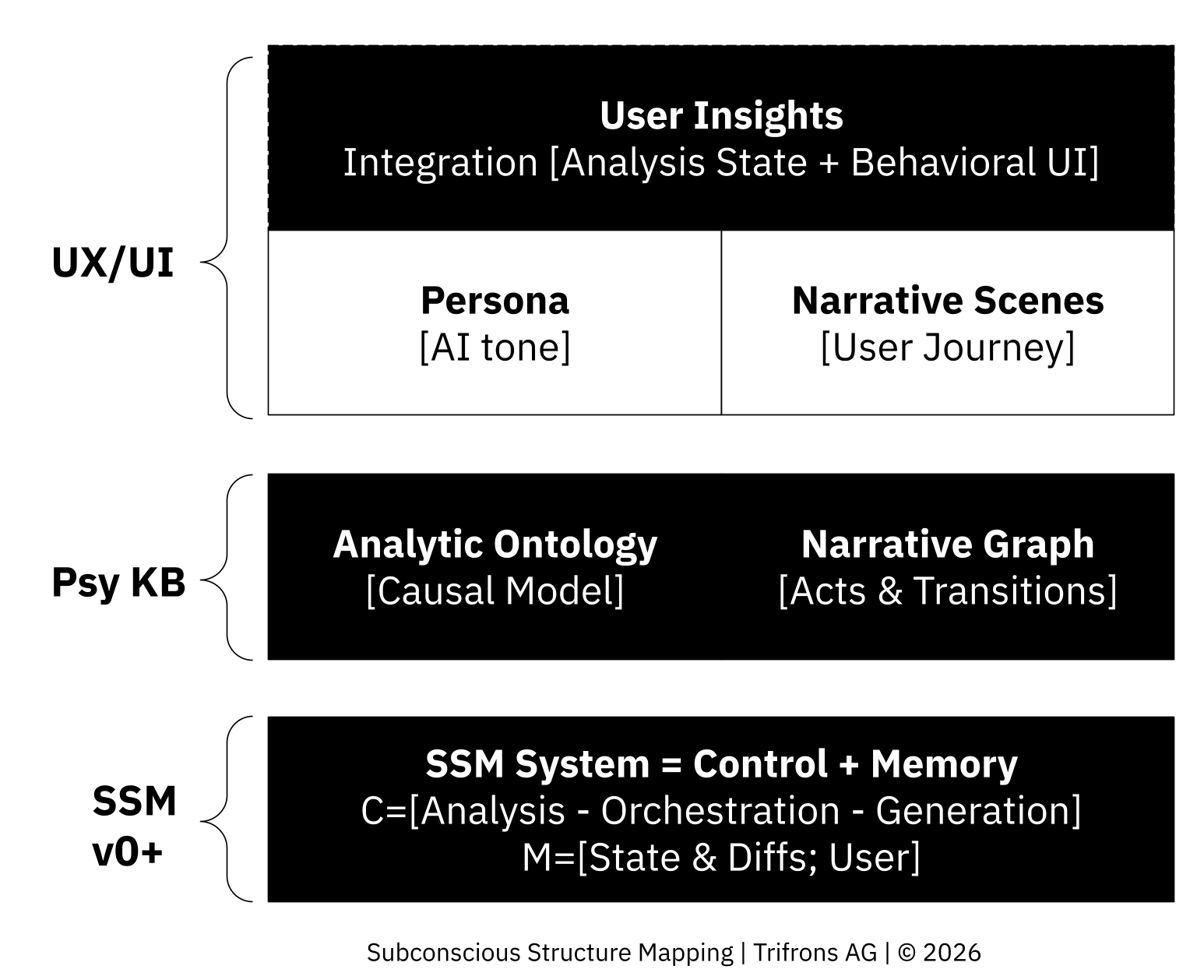
An early burnout-prevention AI system that informed the SSM architecture and design. The original psychological knowledge base, act-based structure and tone of voice were tested and improvements identified.
Open SSMv0 live prototype External link — opens in a new tabAn exploration of a psychological narrative atlas built from grounded symbolic material such as astrological aspects and tarot card pairs. The approach proved incomplete because symbolic material alone did not capture actor and setting context.
Open Qodex fragment External link — opens in a new tabA prototype for generating narrative scenes from astrological transits and tarot cards as a possible Qybala v2 experience. People rating horoscope-style situation–behavior hypotheses could potentially inform a tentative psychological profile.
Explore sample scenes External link — opens in a new tabPsychodynamic narrative model prototype · APRIL-JUNE 2024
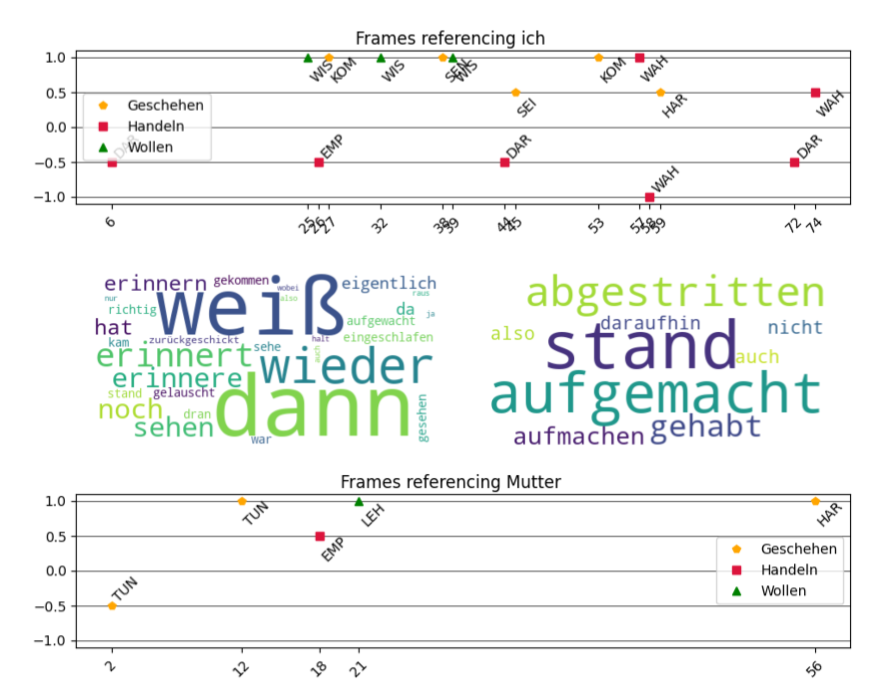
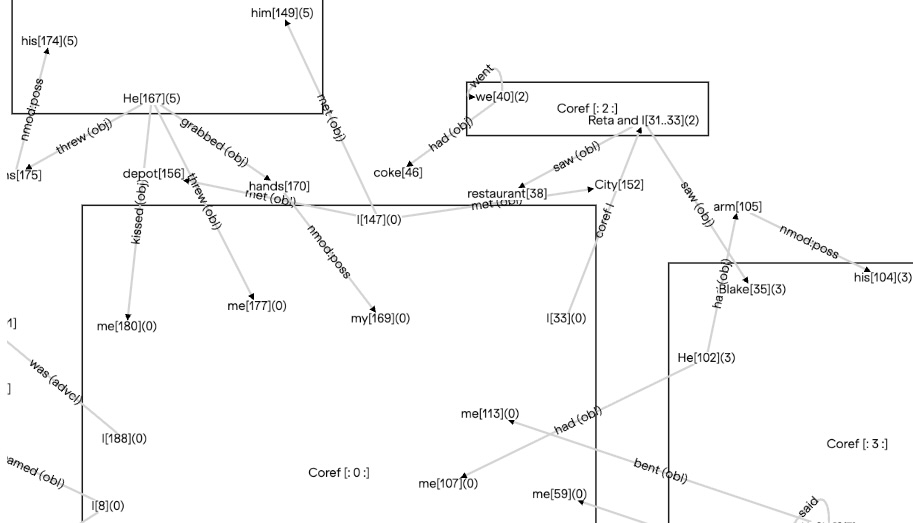
AMKOB adapted JAKOB External link — opens in a new tab , an established psychodynamic narrative method for analyzing conflict developed by Prof. Dr. Brigitte Boothe External link — opens in a new tab who advised this project. AMKOB translated this method into software and extended it with structured frame annotations, self-agency statistics, and a coreference-based Object Graph.
The prototype transformed short stories into inspectable structures, but development was paused pending a fundamental upgrade of the psycho-linguistic resources and because of the limitations of the offline LLMs available at the time.
EU TRUSTING PROJECT · PUK ZÜRICH · JANUARY–MARCH 2024
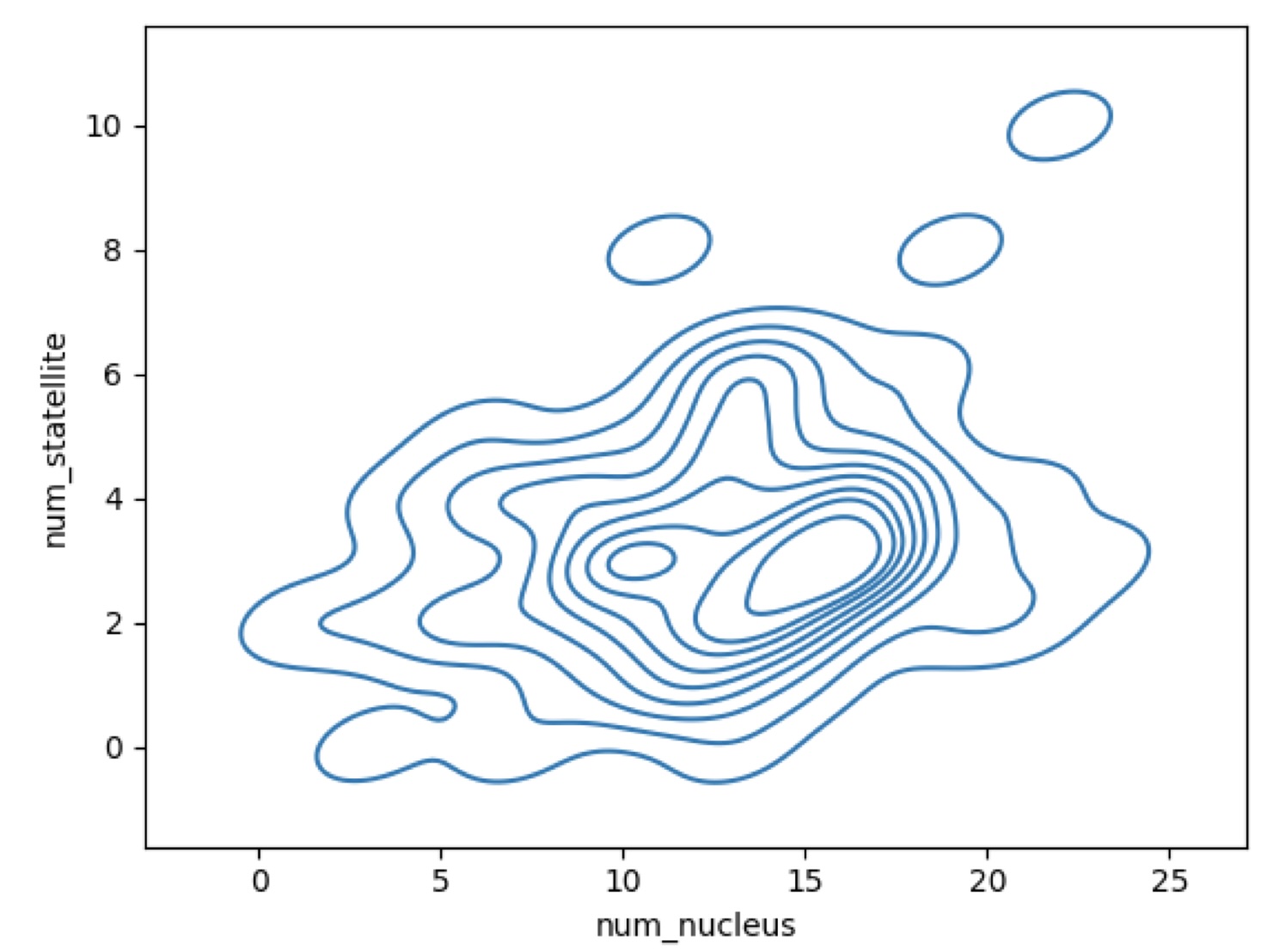
During a three-month research appointment at the Psychiatric University Clinic Zürich, in the Homan Lab, I worked on the EU TRUSTING project, reviewing and experimentally evaluating computational methods for detecting clinically relevant changes in psychotic speech.
The work resulted in a technical literature review covering the state of coherence modeling, major methodological limitations, and promising directions for future evaluation.
I am open to academic, clinical, and technical collaborators interested in psychological AI, narrative systems, and interpretable human-centered research.
Explore a research collaboration External link — opens in a new tab